Sunday, March 28, 2010

What's in Your Haggadah?

Upon graduating from college, Shiksa Girlfriend and I found ourselves with some extra time on our hands. She being the industrious one quickly became gainfully employed. I being a tad more distractable, took longer. Luckily, some of this free time happened to coincide with the weeks leading up to Passover season, and so I decided to take it upon myself to write my own Haggadah for Passover.

That was three years ago. Every year we've done a seder (last year we did two), and it's always been tons of fun. We also keep Passover for the whole eight days, though, to be perfectly honest, we don't keep the restrictions on kitniyot, on the grounds of it being dumb as hell. (Incidentally, I'd like to give a simultaneous thank you and apology to Rabbi David Bar-Hayim, whose ruling that Ashkenazim in Israel should be exempt from the anti-kitniyot minhag have inspired me to misquote him three years running as abolishing the whole stupid process altogether)

Obviously, ignoring kitniyot and only avoiding grains gives us quite a bit more flexibility in our practice. For instance, in addition to old standards like roast chicken and fish, our first night menu will also include Vietnamese Salad Rolls. (Second night will be a bit more traditional-- to give Mama Yid a feeling of home, we're even making chopped chicken liver. Yes, Shiksa Girlfriend says it tastes like cat food, but what the hell, it's once a year.)

As people might guess, my flexible approach to Passover impacts more than just the menu. My first Haggadah was fairly traditional, if only because I wanted to have a chance to see what it was like with "everything" in there. I even transliterated the complete (short version) of Birkat HaMazon from the B'Kol Echad. But we also tried to keep things punchy and fun-- since I'm one of the only Jews there, I don't really need to show off. And I'd rather not have our guests feel like they're going to a theology lecture/ sociology in religion workshop. I see Passover as Jewish Thanksgiving with some highly specific traditions and stories. I'm cool with that.

Continuing the theme of the evolving Haggadah, the new version has a few changes, mostly designed to make things a little shorter. I took out "Pour Out Our Wrath/Love" section (too long and just generally odd) and cut Birkat down to a third, since the post-food stuff has tended to be where people get lost. SG wanted to cut Miriam's Well, but I lobbied to keep it in (I think the Elijah/Miriam contrast is kind of cool). We've also played a little bit with our Exodus story. Oh, and at SG's insistence, I cut Adir Hu down to only five verses, rather than the whole eight. I'm sure if God is as mighty as the song says, he won't mind.

Anyway, here is the Maggid section of our Smart Ass Haggadah Version 2.0. Enjoy and have a great Passover.

The Story of the Exodus

Once there was a famine in the land of Canaan. The Hebrews’ cattle had no grass to eat.

Cow #1: I’m starving. Moo.

Cow #2: I’m so hungry I could eat a horse. Moo.

Cow #1: I should eat you for that. Moo.

The Hebrews weren’t doing too well, either.

Asher: Hey, Dad, I’m hungry!

Naftali: Daaaad! We’re out of dates…and oil…and grain… and everything else!

Jacob: Kids, stop whining! Your brother Joseph is a big shot in Egypt. And, I hear they have food. Let’s go visit him for a while.

Jacob’s Kids: Yay!

Jacob: It’s a long way there, so use the bathroom first. I’m not stopping every five minutes.

In Egypt:

Joseph: Estranged family? What a surprise! Of course I’ll be glad to help out…Who wants dinner?

Generations passed and the Hebrews remained in Egypt. A new king came to power who mistrusted the strangers in his country.

Pharaoh: These Hebrews are a threat to our way of life. Let’s enslave them and use them to build things.

Hebrew #1: I wish this new pharaoh would just die!

Hebrew #2: Wouldn’t that just create more work for us?

Egyptian laborers: Hey, they’re taking our jobs!

Despite the harsh conditions of slavery, the Hebrews continued to grow in numbers. Fearing a slave rebellion, the Pharaoh ordered that the royal midwives to kill any male Hebrew infants at birth.

Pharaoh: Look here midwives, you get to be the front line for population control. I’m counting on you to keep the numbers down.

Shifrah and Puah: We hear and obey, oh great Pharaoh.
But they did not.

Pharaoh: Hey, why are there so many baby boys? I told you to take care of that.

Shifrah: By the time we get there…

Puah: They’ve squirted the little guys out.

Shifrah: And then it’s back to work at the pyramids. They’re really a remarkable people, sir.

The Pharaoh was annoyed.

Pharaoh: All Hebrew boys get dumped in the river from now on, got it?

One couple, named Amram and Yocheved, followed the decree to the letter.

Yocheved: I’m done waterproofing the basket. Let’s go drop the kid off.

Amram: God willing, the crocodiles have already eaten someone today.

Yocheved: Farewell, baby! Don’t rock the boat...basket!

The baby’s sister Miriam kept an eye on the basket as it drifted downstream.

Pharaoh’s daughter: Hey! What’s in that thing? It could be valuable. A baby! Aww, you’re so cute and pathetic.

Miriam: Hey Princess!

Pharaoh’s daughter: Yes?

Miriam: You won’t be able to nurse that kid; it’ll ruin your figure. Besides, he’s a Hebrew. They need special food, like goldfish. I’ll go find you a Hebrew nurse. Here, how about my Mom? She’s even nursing.

Pharaoh's daughter: Wow, that’s just plain convenient!

Miriam: Hmm, these Egyptians aren’t too bright.

Yocheved: Yeah, we should remember this.

The Pharaoh's daughter raised the baby as her own son, naming him Moshe, or Moses, because she “drew him from water.”

Pharaoh’s daughter: My first choice was Stinky, but Miriam said that was dumb!

Moses grew up as a member of the royal family. One day Moses saw an overseer abusing a slave.

Overseer: Lazy swine. Taste my whip.

Slave: Ow.

Moses: Not cool.

Moses killed the Egyptian and buried him in the sand.

Moses: Enjoy your sand-wich! Ha-Ha-Ha!

Slave: Ow.

The next day, Moses saw two Hebrews fighting. One of them hit the other.

Moses: Hey, quit it.

Slave: Who are you to judge us? Will you kill me like you did the Egyptian?

Moses: Crap.

With the slaves talking about Moses’ homicidal freak-out, word eventually got back to Pharaoh.

Pharaoh: Die, killer.

Moses: I think a strategic retreat is in order.

Moses ran away to the land of Midian.

Moses: I’m tired and thirsty and hungry and bored. Hey, a well. Hooray! One of my many problems is solved!

While Moses was enjoying the well’s cool water, some girls approached.

Girls: Get away from our well, weirdo.

Moses: Sorry.

Suddenly some shepherds tried to chase them away.

Shepherd: No girls allowed. This water is reserved for important creatures, like goats.

Moses: Back off!

Girls: Our hero!

Moses: You’re well-come.

Girls: Ow.

The girls told their father Jethro all about the mysterious stranger.

Jethro: And he didn’t even ask for anything in return?

Girls: No, he was a perfect gentleman.

Jethro: Sounds suspicious.

Jethro offered Moses his daughter Tzipporah.

Moses (happy): Thanks, Dad!

Tzipporah (less happy): …Thanks… Dad.

While tending his flock, Moses saw a cool pyrotechnic show in the form of a bush.

Moses: Cool, it doesn’t burn up.

Bush: But that’s not all! If you act right now you’ll get the chance to REDEEM YOUR PEOPLE!

Moses: Doesn’t burn up and talks, eh? This is one heck of a bush.

Bush: Actually, I’m God manifested in a bush.

Moses: Whatever you say, O mighty Bush.

Bush: Look, Moe, you really need to help your people.

Moses: But I have things really good here. I have a kid now, and Tzipporah’s got the tent set up just the way I like it.

Bush: I have heard my people’s cries, and have come to deliver them from the Egyptians. And you’re going to help. You need to go talk to the Pharaoh.

Moses: Why me? The Hebrews won’t follow me.

Bush: Tell them the God of their fathers sent you, and that He said He’s going to get them out of this. And if the Pharaoh does not release you, I will deal with him, and then he will let you go.

Moses: Why don’t you just go ahead and do that right now and leave me out of it?

Bush: What’s that in your hand?

Moses: My walking-stick.

Bush: Really? Put it on the ground.

The stick turned into a serpent.

Moses: Holy crap! A talking wizard-demon bush!

Bush: Pick it up, stupid.

Moses picked it up, and the stick changed back.

Bush: Tell them of this sign, and they will believe.

Moses: First, don’t do ever that again. Second, I’m a really bad public speaker. I’m not the one you want to lead a popular liberation movement.

Bush: You’re starting to annoy me. Your brother Aaron was head of the local Hebrew Slave Debating Society. Use him

Moses: Brother? Since when?

Aaron: Since five seconds ago. Hi there.

Bush: Put your words in his mouth and he’ll do the rest.

Moses: That doesn’t seem very honest.

Bush: Welcome to politics.

Moses: What about the people that wanted to kill me?

Bush: Don’t worry, they’re all dead. There’s a new Pharaoh in charge now.

Moses: Right, because we all remember how good things got the last time that happened.

Moses returned to Egypt, where he and Aaron spoke to the elders of the people.

Aaron: Um… Moses says… sorry, God says… that we’re getting out of here. Spread the word, guys.

Moses: And you’re the good speaker?

Aaron: It’s a charisma thing.

The brothers went to the new Pharaoh to explain why he should let the Hebrews go.

Aaron: And if you look at chart F, you can see that if you’d divert your workforce from building huge triangles back to farming, your economy actually wouldn’t suffer that much.

Moses: So what do you think?

Pharaoh: Um… how about… no?

Moses: But, look, we’ve got a creepy staff-snake thing! Show him, Aaron!

Pharaoh: Not impressed. My court magicians can do that.

Aaron: But my staff-snake just ate theirs.

Pharaoh: That just makes your snake a bully.

Moses: You’ll be sorry.

There followed Ten Plagues:

The river turned into blood.

Pharaoh: Red is my favorite color.

The land was overrun by frogs.

Pharaoh: I find the ribbit sound soothing.

Everyone got lice.

Pharaoh: I’m already bald.

A swarm of flies and wild beasts attacked the Egyptians.

Pharaoh: No two ways about it, this one sucks. But still, no.

A disease exterminated the Egyptians’ livestock.

Pharaoh: Yum… grain.

Boils appeared on everyone’s skin.

Pharaoh: Hold my appointments for a while.

Fiery hail flew down from the sky.

Pharaoh: Eep. I hope that’s a comet.

Locusts ate the Egyptians’ crops.

Pharaoh: I sense my options are becoming limited.

Darkness covered the land.

Pharaoh: At least no one can see how miserable we are.

Several times the Pharaoh agreed to let the Hebrews go so Moses would stop the plagues, but then he always broke his word.

Moses: What kind of maniac thinks it’s a good idea to jerk around people that can whip up fiery hail?

The last plague was the death of the firstborn, which would affect both men and beast.

The Hebrews spread lamb’s blood over their homes so the Angel of Death would pass by their homes and leave their kids alone.

Moses: He’s got to give in now.

God: Oh, he’d like to, but I’m hardening his heart.

Moses: What? Why? I thought the point was for us to get out of here.

God: I like to show off. This way everyone will get to see all the cool ideas I planned.

Moses: You’re kind of nuts.

The Pharaoh, yet again, said no.

Pharaoh: Joke’s on you, stupid! All of our livestock are already dead.

Moses: I hope your son thinks it’s funny.

The Pharaoh finally gave in, and let the Hebrews go.

Pharaoh: Your God sucks, and so do you. I never want to see any of you people again. Get out of my sight.

Moses: Consider us gone.

The Hebrews packed in a hurry. They were so worried the Pharaoh would change his mind again that they didn’t leave time for their bread to rise. That is why we eat matzah on Passover.

All future Jews: Thanks a lot.

The Hebrews were not the only ones to leave Egypt. A “mixed multitude” went with them.

Moses: Plenty of room on the freedom train!

Mixed multitude: This cracker is awful. I thought Jews made tasty bread. What gives?

Hebrews: Quiet, goyim.

Even the Pharaoh’s daughter came with them, changing her title (bat-Pharaoh), for the name Batya (daughter of God).

Batya: My little Moses, all grown up!

Yocheved: Hey!

Sure enough, the Pharaoh changed his mind and chased after the Hebrews with his army of six hundred chariots, catching up with them at the Sea of Reeds.

Hebrew #1: Thanks a lot, Moses.

Hebrew #2: Why take us out of Egypt just to get us killed?

Hebrew #3: First Matzah, now this!

Moses: Don’t worry. God will fight for us. This is the last you will see of any of these Egyptians. Hey, God! Little help?

God: No problem, I’ve got this.

Moses: You’ll part the sea?

God: Even better. I’ll part the sea, then harden Pharaoh’s heart again so they chase after you and all die.

Moses: What? No, I mean, we don’t need you to do that. Just help us escape.

God: I told you, I’ll take care of this. The Egyptians will know that I…AM…GOD.

God told Moses to lift his staff. He did, and the sea parted.

Moses: If you turn into a snake right now, I’m quitting.

The Hebrews raced across the sea-bed and made it to the other side. Then the Egyptians came after them.

Pharaoh: Let’s go after them for some reason! Charge!

Then God told Moses to lift his staff again. He did, and the waters returned. The Egyptians were gone.

Moses: …

The Hebrews celebrated their freedom and danced and sang.

Miriam: God is my strength and song, and He is become my salvation…God is a man of war, God is His name. Pharaoh's chariots and his host has He cast into the sea, and his chosen captains are sunk in the Red Sea… You did blow with Your wind, the sea covered them; they sank as lead in the mighty waters. Who is like You, O God, among the mighty? Who is like You, glorious in holiness, fearful in praises, doing wonders? ...You in Your love have led the people that You have redeemed; You have guided them in Your strength to Your holy place… God shall reign for ever and ever! (Exodus 15:11-18)

While the Hebrews danced, the angels in Heaven wished to join them. But God denied their request.

God: These, too, are my creatures drowning in the sea! And you would celebrate this? What’s wrong with you?

* * *
The Rabbis taught that it is wrong to celebrate the death of anyone, even your enemy. “Rejoice not when your enemy falls, and let not your heart be glad when he stumbles.” (Proverbs 24:17) That is why we are commanded to remove one drop of wine for each plague. We cannot celebrate “with a full cup” when our freedom came through the suffering of others. There is a fast the day before Passover known as the Fast of the Firstborn. A tradition says the firstborn Hebrews fasted before the Exodus because they were still not convinced they were holy enough to merit saving. Perhaps the fast also serves to remind us of the various things we still, and may always, need to atone for.

Thursday, October 8, 2009

Chappy Chags

Shiksa Girlfriend and I moved over the summer, so we decided to take advantage of our new location and go to Evil Minion for High Holidays. Rosh Hashanah was pretty nice, except that Evil Minion, which usually provides excellent transliterations for Shabbos, decided to go an alternate route with the Birnbaum machzor, which provides... none. I attempted to follow along the best I could with my Mishkan T'Filah, but for bizarre reasons there are large chunks of the service which aren't in there and which I didn't even know I was missing (psalm of the day? since when?). That was kind of frustrating. The singing was nice, and the shofar blasts were great, but needless to say, we skipped out on Musaf-- for me, the money-quote is always, "Longest Amidah of the year." Sorry, but there's no way I'm sticking around for that, particularly when I can't even follow along. So we left early and went grocery shopping instead.

Fast-forward to Yom Kippur. Evil Minion was set up at a secret location (another shul sanctuary, while that shul in turn had been displaced to yet another secret location-- yay High Holiday mysteries) and we were looking forward to going. Unfortunately, I came down with this flu-bronchitis-death rattle a few days before, which really took a giant crap on my holiday. Fun times included chatting with my parents and trying to convince them that no, I hadn't planned on fasting while sick. No, really.

Abbot Yid: You'd better not fast.

Me: I wasn't planning on it. I'm bummed, but it's fine.

Abbot Yid: Well... good. Cause I'm telling you, God doesn't care. And even the most hard-ass rabbi would tell you what I'm telling you. Got it?

Me: Yes, just like I did the first time.

Abbot Yid: Seriously, don't do it.

Me: Fine!

It was nice to see some old friends for the holiday (though my persistent hacking made it hard to daven out loud, much less kibbitz). It was very surreal to have to pay so much attention to my breathing/voice volume during prayer to avoid setting off my cough.

The singing was quite impressive-- the Minioneers split the davening up six or seven ways so you got to hear a nice spread. Oh, and because having no functional machzor had sucked so hard on Rosh Hashanah, Shiksa Girlfriend and I sped to the internet and got... much to my chagrin... a transliterated Art Scroll Yom Kippur Machzor. Sigh, I have drunk the Art Scroll kool-aid. Oh well, at least I got a funny post out of it.

Incidentally, not fasting on YK (for the first time in ten years) was a very odd sensation. I kind of felt like I had a bit of an inferiority complex, and then I tried to compensate by not eating a lot during the day... things got kind of weird by the end.

It has come to my and SG's attention that this is our fourth year together, and our fourth year celebrating High Holidays in a different shul. Wandering Jews, indeed.

Saturday, May 9, 2009

Reappraising

I happened to be chatting up a colleague and mentioned my and Shiksa Girlfriend's ongoing (not so often these days, though) shul-search. She said that she and her husband went to a place that they liked, and invited us to join them. Knowing that SG was restless to shul-it-up more, I accepted.

It turns out we were heading back where we started: Temple Touched By God. We got there just in time for the later service, aka the young adult meat market. We found my colleague and her hubby. Hey, Mishkan T'filahs! Awesome, this is a lot better than last time when they had weird self-published and poorly transliterated booklets. Also, I can't recall exactly, but I felt like they included a lot more Hebrew this time around, probably because now everyone can follow along.

There are still style issues that turn me off: I don't really feel the need for a 5-piece band for Shabbos (especially when two are mandolins), neither am I really interested in us all pretending to be Bob Marley as we try to combine "Redemption Song" with "Mi Chamocha"-- which seemed especially tacky with an African rabbi visiting for Shabbos. Incidentally, cool guests with interesting stories are a big plus; though I would have liked someone, at some point, to have given an actual drash. I didn't expect the visiting rabbi to give one, per se, but all the regular rabbi seemed to want to talk about was the shul's upcoming fundraiser for... well, that part they never quite explained. Also, SG commented that given the size of the crowd (easily 200 people), they "sang like wusses." I said that I think part of it has to do with the fact that when there's a whole band, singers with microphones, and quasi-improvised songs that the cantor didn't bother to give anyone the words to, people don't feel like they're being asked to sing as much being given the opportunity to accompany the "professionals." Certainly a far cry from Evil Minion, or even Temple GLBT.

Oh yeah- has anyone ever heard this song? Does anyone know what it's about? Because a congregant sang it, super-emotionally, like she was having a stroke or something, and not only was that super-weird, but the lyrics were super duper confusing.

From a distance the world looks blue and green,
and the snow-capped mountains white.
From a distance the ocean meets the stream,
and the eagle takes to flight.

From a distance, there is harmony,
and it echoes through the land.
It's the voice of hope, it's the voice of peace,
it's the voice of every man.

From a distance we all have enough,
and no one is in need.
And there are no guns, no bombs, and no disease,
no hungry mouths to feed.

From a distance we are instruments
marching in a common band.
Playing songs of hope, playing songs of peace.
They're the songs of every man.
God is watching us. God is watching us.
God is watching us from a distance.

From a distance you look like my friend,
even though we are at war.
From a distance I just cannot comprehend
what all this fighting is for.

From a distance there is harmony,
and it echoes through the land.
And it's the hope of hopes, it's the love of loves,
it's the heart of every man.

It's the hope of hopes, it's the love of loves.
This is the song of every man.
And God is watching us, God is watching us,
God is watching us from a distance.
Oh, God is watching us, God is watching.
God is watching us from a distance.


Is "distance" good or bad? Isn't the whole point of this song essentially that the reason things are bad (the visiting rabbi had just talked about growing up without running water and about how he was trying to raise money to make sure everyone in his village had mosquito nets to protect them from malaria) because God is too far away and assumes we're just fine? I can't tell if I'm missing the point here, or if everybody else was.

I guess what it comes down to is that when Touched By God actually does Jewish things, like Hebrew, I can appreciate the creative touches. Now that I have more familiarity with a traditional service and I'm comfortable with the structures of prayer, I don't mind what tune we use, or even if we skip around a little. When it comes to outright borrowing or slapping together disparate sources that have nothing to do with each other, much less connections with the service or ritual, things get a little trickier for me. I don't go to shul to hear people sing Bette Middler or Bob Marley songs. I don't object to people doing it, but that's not why I'm there.

Still, at least when we left this time, we didn't leave mad or confused. Maybe a little smug, but hey, it's a start. Will we make it our regular stomping grounds? Probably not. But I could see us going back periodically.

... No chance of giving B'Nei Hippy another try, though.

Tuesday, March 24, 2009

Shul Awkwardness

I feel very conflicted about Beth Elderly. On the one hand, they are some very nice folks, and certainly very welcoming to us. On the other hand, they're starting to treat us like semi-disappointing wayward grandchildren. I suppose this is partially our fault for coming back quasi-often but not fully committing to the shul-- they must think we just like to tease them.

Two weeks ago, walking to my night school class I bump into a self-proclaimed shul mucky muck I'll call Ezekiel. Ezekiel has repeatedly glommed onto me at shul, used-car-salesman style, trying to either play Jewish geography (we fail), or to entice me, not very subtly, into making a bigger shul commitment. Despite having met over a half-dozen times, he again forgets my name, but recognizes me thanks to my resemblance to Gimli with a stetson. Not wanting to pass up this moment of destiny, he booms through the subway station, "Hey guy from Beth Elderly!" Funny, I thought HE was the guy from Beth Elderly, I'm just a twenty-something who occasionally drops by. We kibbitz for a while and then he asks why he hasn't seen me in a while. I tell him we've been busy and exhausted from crazy schedules. The fact that getting there requires a 2-train trip spanning almost an hour does not improve its standing. He asks if there's anything the shul can do to make itself "more of a priority for you." Um, no, I just said there was nothing the shul was doing wrong, and as I don't expect it to install rocket launchers to its foundation anytime soon to fly over to my apartment for a "quickie minyan", I think we're just going to have to settle for quasi-regular attendance.

Later that week, we went to Beth Elderly, which as a plus side is close to the ocean, which at least gives us something pretty to watch while we're waiting for services to start. They were trying some new tunes that night, which I liked in theory, however in practice the cantor's dirge-style is very uninspiring, and the rabbi's tone-deafness does not really help. At one point someone tried singing "Shalom Aleichem" to the Carlebach melody but it broke down halfway through. The rabbi also tried to modify a negro "Christian spiritual" (redundant?) but had neglected to remember the melody- he urged us all to youtube it after Shabbos, though. (Supposedly it connected with the Parsha that week, which discussed building the Mishkan.) Undaunted, we pressed on through for a painful few minutes-- I also liked how he seemed concerned that some congregants might be weirded out by the idea of singing "Christian" lyrics, so he encouraged anyone who wanted to sing Hasidic niggun style to do so.

After services, Shiska Girlfriend got blindsided by Shul VP, about whom observations have been previously made. He cornered her and asked her for "better contact info." She said he already had it. He countered by saying, clearly not, because you haven't been showing up to our events! Touche, Mr. Vice President. SG gave him the same spiel I had given Ezekiel a few days earlier. He had another trick up his sleeve- he offered to organize a carpool for us! No, really, that's... ok. Very nice, but also kind of... creepy?

Finally, one of the nice old shul ladies- all 4'5" of her, with the cutest wispy goatee you ever will see, sidled up to me after the potluck and mentioned how nice it was to see us again. "Always a pleasure," I replied. "You know, you should come by more often- not just for potluck, but more services, too. Don't worry, we always have food- Judaism is the religion of the stomach!"

Great, a food bribe! Reminds me of when a classmate tried to coerce me into taking her to a middle-school dance by offering me a Kit-Kat. As an aside, this proposal would be slightly more impressive if most of the foodstuffs here didn't usually consist of variations on cold penne salad.

Look, people, the 30 pairs of grandparents I never had or really needed, you're nice folks (except for a few of your cranks-- but a few of those seem to pop up everywhere, don't they?)and we will continue to keep you in the rotation-- in fact, these days you're essentially the de facto shul for us, tied with Evil Minion. But as anyone on the dating scene knows, desperation is not very attractive. We like that you pay attention to us and are so eager to welcome us into the tent, particularly given Shiska Girlfriend's Tzipporah-like status. But we are not in a position to save your shul. We are not your pioneer "New Guard" that can take over kiruv for you as you attempt to broaden your target demographic to the under-40 crowd. We are not experts in youth culture, "hip"-ness, or, for that matter, Shlomo Carlebach melodies. We wish you the best and are hoping to come along for the ride. But we're in our twenties and you're all... decidedly not. We are not the leaders you're looking for. Get it together and take a few steps back, please.

Friday, October 3, 2008

Rosh Hashanah at Beth Elderly

Shiksa Girlfriend and I couldn't decide where to go, but we did know where we didn't want to go:

- Temple Burning Bush with their Used Car Salesman rabbi
- Temple GLBT which is full of people who are nice but more than a tad nuts
- Beth Halfpipe with its oh-so-confusing building

So we opted for Beth Elderly instead. They were very nice and gave us a trial membership for cheap, so I am now officially for the first time ever *technically* a synagogue member. (That goes double for SG.)

We shlepped out there for Erev Rosh Hashanah and stopped in for dinner at the greasy spoon nearby, a fun city institution pretending to be a 50s diner while staffed entirely by barely English-conversant Chinese people. While we were eating I happened to spy the VP of the shul sitting in a nearby booth with his wife. I was amused for a few reasons. First, the shul just got done writing up a new series of kosher bylaws for any food brought into the shul, and this place is totally not kosher. Second, the couple was berating the poor waitress (who, granted, looked like she could care less) for screwing up their hamburger order.

"I wanted it medium rare!"

"No, you said medium. This IS medium!"

"This is medium done. It's totally different!"

And on and on. SG was knitting a hat and reading a book about prostitute empowerment or something, so she missed the show. For my part, I kept ducking behind her head so Not Very ViP wouldn't see me. The waitress disappeared for a while, considerately giving the couple time to loudly bitch about her. "I keep telling you," VP said to his wife. "You have to spell everything out for them." (This seemed slightly unfair to me, given that it can't be that easy to take orders in a second language, or maybe that's just the classes I'm taking on ELL kicking in with sympathy.)

Then the waitress came back. But there was still a problem.

"This is just rare. I wanted MEDIUM rare, darn it!"

Sweet crap. Even I was getting ready to kill them. We paid and left just in time to see her bringing them their food for a third time and testily asking, "You just had water, right?"

Beth Elderly has a new rabbi, who seems nice, though hardly charismatic. He reminds me of the nebbishy Jewish friend from a crappy 90s sitcom like Caroline in the City. Very sweater-vest, if you know what I mean. Anyway he has a wife and a cute baby girl, though they've chosen to name her after a Middle Eastern body of water. Sitting in front of us was a couple in their early 30s with matching giant masses of dreadlocks, which they both stuck paper-thin yarmulkes on top of like little flags when they went up for their aliya.

The service was fine, though the rabbi's sermon weirded me out a little bit- he was trying to talk about the three "days" of RH tied-in with Malchuyot, Zichronot and Shofarot as "the three jewels in the crown" of Rosh Hashanah. This forced imagery wouldn't have been quite so bad had I not seen the same terminology used in a very bad John Hagee sermon a few years ago. The gist of it involved Hagee telling his followers, "It's ok if you have crappy finances, because you'll get a nice crown for it in the afterlife. It's ok if you suffer or die for being a Christian, because you get a Martyr's Crown, and it's even fancier!" (It was at this point that I turned to Sam and asked, "His theology is essentially coming down to promising people invisible hats, yes?" Sam: "Sadly, yes.") So that was a tad weird.

Next morning we set out for Shacharis (morning prayers). I enjoyed sleeping in slightly early, though having to take multiple trains to get there was not terribly awesome. We also forgot to eat breakfast, which is never my preference (as I told SG, "There's no reason to turn Rosh Hashanah into Yom Kippur"). We got there about an hour into Shacharis, but they only seemed like they had been going on for about twenty minutes- I couldn't tell, but maybe they didn't get a minyan until late. I was super-excited to whip out my gigantic-yet-awesome copy of Mishkan T'Filah, which I had lugged all over town. It was very cool being able to follow most of the first service, and understanding the intricacies of the liturgy order, the transition, knowing what and when they were doing this thing or that thing, just really interesting. (SG alternated from looking over my shoulder and being our place-holder with the Sim Shalom Machzor.)

The Torah service was fine, though, to be honest, I couldn't really stay with it (I can only follow along in English for so long before I get bored- also I felt bad for SG who was just sitting there feeling faint. A few good exchanges:

Me: "Ah, Rosh Hashanah. Time to hear the same story about Abraham almost killing his kid. Hey, what do they say about the Isaac thing in Sunday school?"

SG: "It only comes up as it being a prefiguring of Jesus. You know, on account of him being his only begotten son and all."

Me: "But he had Ishmael too."

SG: "But he was illegitimate. Also, vaguely Muslim, so he doesn't come up."

Me: "But he also had six other sons by a concubine."

SG: "And guess how often that came up."

Also...

Me: (During the Torah service) "How are you holding up?"

SG: "Not too bad. It's almost over, right?"

Me: "Well, sort of. But then there's the haftarah reading, too."

SG: (Dirty look) "Are you serious?"

Me: "Afraid so."

SG: "That's it. I call snack break."

The reader was very good, though it was hilarious to watch the cantor stumbling over blessing every single member of various families coming up on the bimah for aliyot. Also, there was something very weird with some of those kids' Hebrew names- who names their kid Sinai?

Funny moments: the gabbai came up to us halfway through Shacharis and asked us to do an aliyah (sound familiar?). Then, before he could give us the signal, the rabbi accidentally (?) skipped several prayers in the service. Which led to a good two minutes of irritated muttering from the gabbai, sitting like, right next to us. That was a tad awkward. Finally they got their act together and we were up. Because the universe has an ongoing sense of humor as whacked-out as mine, guess which song the congregation was singing during our aliya. I swear, I couldn't look at SG the entire time.

Musaf was fine, though at that point we were definitely reaching the point of masochism/macho Jew-itude. (When I used to go to Temple Ol'Faithful in High School, we always left after the Torah service and first Shofar blowing.) But we stuck it out and were rewarded with some halfway decent choir work, the full prostration (still too slow this year, next year, more decisiveness. I'll be freaking kowtowing to that Ark first thing!), and part 2 of "Three Jewels in the Crown," a theme that does not necessarily improve with further installments. Incidentally, the cantor demonstrated she is totally capable of leading songs without near-constant warbling. Now if only someone would convince her that those songs sound MUCH, MUCH better.

Oh, and I saw four Middle-Schoolers whom I subbed for last year. They flipped their lid and came over to say hi. They asked me my first name and were shocked when I told them, even more so when I agreed that they could use it if they saw me outside of school (the joke's on them: I'm working somewhere else this year).

All in all, it was a good day. Got there around 9:20, finished around 2:00. Not too arduous, and it was super-cool to put Mishkan T'Filah to action.

Though SG says next year, she might skip Shacharis altogether.

Coming up: Sam is visiting for Yom Kippur. Fun times may ensue.

Monday, September 8, 2008

Confused at Beth Halfpipe

Shiksa Girlfiend and I were hard at work trying to decide where to head to for Friday night services and decided to finally grace the other (other) Conservative shul in town with our presence. We had never been to it because it has, until recently, been under protracted and extensive building renovation. Unlike some of the other games in town whose existence or reputation I had been vaguely aware of during my adolescence, this place was starting off with a completely blank slate. It could totally go either way. We left it up to the fates (angels? sefirot? fortune cookie?) and headed off.

I will be very honest. It was very hard to get past the place's architecture. The first thing you see when you walk up is a giant sandstone semi-circle sitting on top of the building. Supposedly this is a menorah but all I saw was one of these, hence our super-witty nickname. Underneath the pipe was a series of gray aluminum boxes. That plus some open-air courtyards made up the whole shul. More on architecture in a minute.

The rabbi was very nice- we had been expecting the older, Soloveitchik-like guy from a year ago, but it turns out he had gotten bored and fled the backwoods of San Francisco for someplace with some REAL Jewish opportunities-somewhere in Georgia. The new rabbi was in his late 30s. Services were in the small chapel, whose wood paneling, according to a brochure I snagged, was supposed to resemble or mimic Sequoias or something, but just reminded me of somebody's rumpus room from the 1960s.

I was wearing a cool new blue fedora (post-to-come on inane hat conversations with Mama Yid) and Shiksa Girlfriend was wearing a longish skirt on account of it being cold and dreary. Anyway, apparently we looked ridiculously Orthodox because the rabbi shook my hand, then offered it to SG, who was looking around at all the paneling (not a fan) and missed her cue. She gave him a befuddled "What's going on?" look, but he mistook it for a "OMG, you awful man! I'm shomer negiah and horribly offended that you would try to touch my milky-white maiden hand!" look and very embarrasedly yanked his hand away, which SG then insisted on grabbing just to show him that the issue was her being slightly spacey and not Ortho.

Services were very basic- a small group of people, mostly late-middle-aged. I checked out a Conservative version of the Mishkan Tefillah that I hadn't heard of- which was pretty user-friendly, if a little cluttered on the page (sorry, but four columns is a lot, especially when you throw in sidebars for poetry and other crap). The rabbi had a nice voice, though everyone else seemed somewhere between tone-deaf and voicebox-cancer-survivor.

Particularly cool (at first, anyway) was that after the service, the rabbi offered to show new people around the shul. It was a very nice gesture, but it also unfortunately gave us a first-hand look at just how wacky their building is.

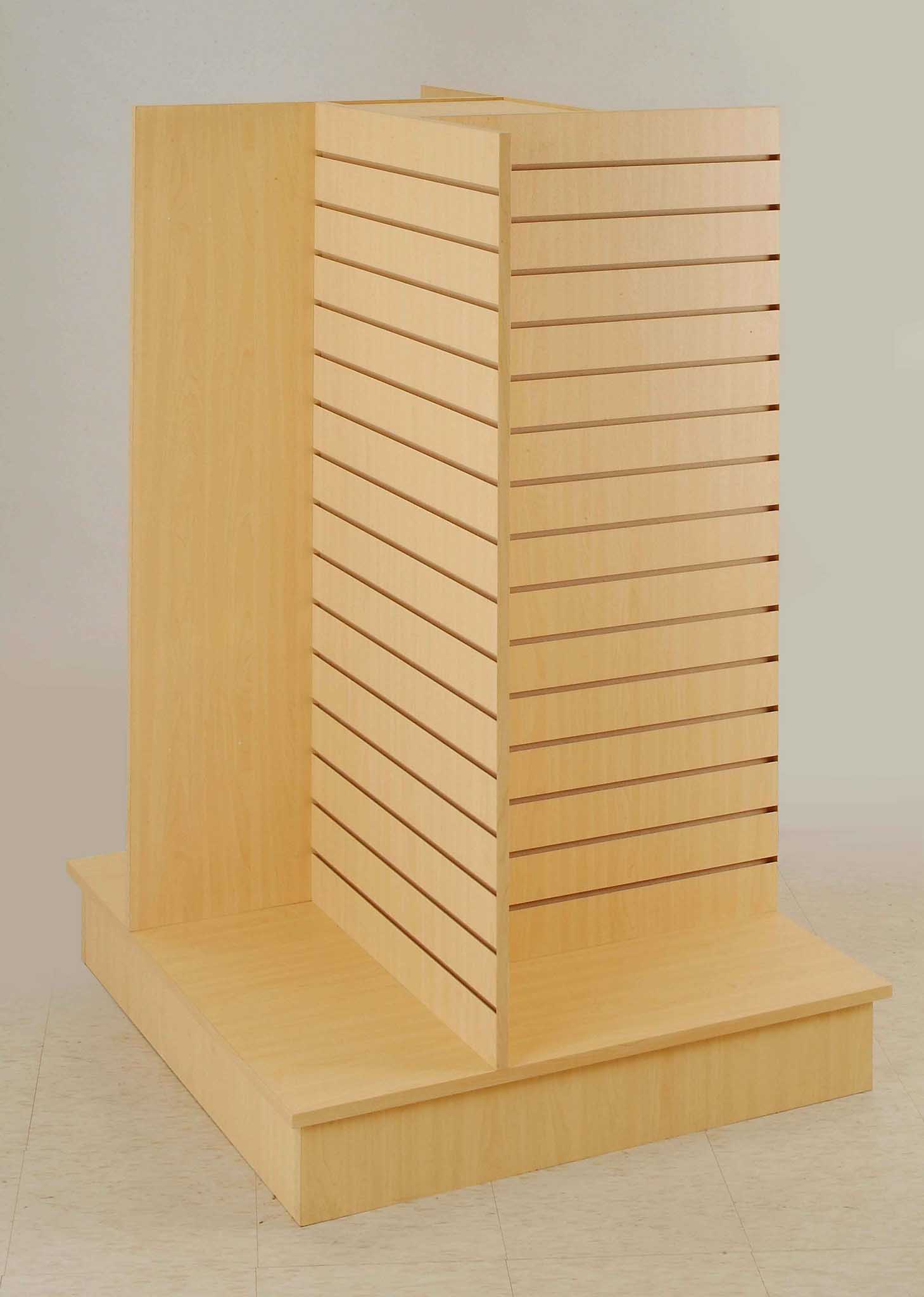
He led us to the main sanctuary, which, according to SG, looked like "two movie theaters crammed together face-to-face." (I would have gone for, "not terribly functional lecture hall".) The walls were made of this weird slat-wall wood that looked like it was supposed to be in a hardware store holding up tools or something. The rabbi gave a whole spiel about "we were trying to pare it down and think about just the bare basics of what a synagogue, like, is. Some people are confused by it, but that's the whole point of minimalism, right?" We both gave polite but skeptical looks. The rabbi continued to dig himself deeper by pointing out that "this is totally like the synagogue at Masada. Nowadays all the focus is on the rabbi and the ark, but we want to take the focus back and direct it at EACH OTHER." I spent the next several minutes thinking about how much worse various services I had been to would have been if there had been a fellow congregant staring at me, face-to-face no less, the entire time. Also, how about using a reference that's less than two thousand years old? I will admit that their digital light-up yizkor wall was kind of cool, though it seems like a real waste of money.

All of their hallways were re-done to use pre-existing space from neighboring common walls, thereby saving them a lot of space. An unfortunate side effect of this was that it made us feel like we were walking through the steam tunnels in someone's basement (sparse florescent lighting did not help). We concluded by walking through a small courtyard that showed the rabbi's fishbowl-like-office (he pretended he liked it) and their Beit Midrash/library which had a 70s-style conversation pit (which I actually liked, but SG just had to be negative about).

I will admit that I feel slightly guilty about nit-picking a shul simply on the basis of weird architecture- especially after going to the new Jewish Museum (not a fan) and leafing through a whole coffee-table-book of crappy synagogue pictures. But the bottom line was that it contributed to the feeling of a place that was sterile and lifeless. (No one would argue that Beth Elderly's building is all that awesome, but it feels like they use what little space they have to their advantage.) That may change, and I hope it does. And to give it a fair shake, we should go back in a few months to check them out again. But for a first impression- not so great.

Tuesday, April 22, 2008

Passover a smashing success, guests say

Everything went (almost) perfectly. All eleven of us were fed (stuffed), everyone loved my Haggadah, and clean-up only took an hour and a half.

Some notes for next year:

- Supervise Mother Superior Yid when she makes chicken liver; there were a lot of tiny bits of egg shell in there.

- Corollary to this: buy an egg timer for hard-boiled eggs.

- Next time, try to come up with seating arrangement which doesn't have the youngest and most Jewishly-knowledgeable people clustered around the center of the table, leaving the middle-aged and clueless folks stuck out at the extremities.

- Stop political conversations before they piss away half-an-hour that you had reserved for Grace After Meals and Hallel.

- Stand up for yourself and tell people that you're sorry it's kind of late, but we are going to finish Chad Gadya whether they like it or not, it's only five more damn verses.

- Go slower with Hebrew prayers and songs, maybe lose the intonation (Mama Yid was very confused by this) or go over it with people ahead of time.

But all in all, very, very good. This was definitely the first seder my parents had that they enjoyed. Which is saying a lot. And now we have more food than God. And, sadly, apparently way more matzoh than most of our peers.

Now to hibernate for the rest of the week to avoid having to eat it.

Sunday, April 20, 2008

Countdown to Seder

P-Day is here, and in slightly more than six hours, Shiksa Girlfriend and I get to host our own seder. For eleven people. Because we're geniuses like that.

The breakdown is:

- Shiksa Girlfriend and Me
- My parents, who have been lovely enough to contribute food, wine, money and time (oh, and hosting space)
- My gay godparents
- My best friend from high school and his older brother
- SG's co-worker
- The mother and father of two different best friends from elementary school that my parents have stayed in touch with.

Another way of looking at this is:

- Four non-Jews;
- Six Jews;
- And whatever the hell Shiksa Girlfriend counts as.

The dietary restrictions:

- One "vegan plus meat"; Abbot Yid.
- One "no dairy"; me.
- And one vegetarian.

Our menu:

- Fruits and Vegetable appetizer plate, complete with variety of dips and humus (piss off, kitniyot).

- Chopped chicken liver with hard-boiled eggs and onions (thanks, Mom!)

- Haroset

- Chicken Matzoh Ball Soup

- A Gigantic Salad

- Aloo Palak (Indian spinach puree with potatoes)

- Red Lentils (also done Indian-style)

- A Mega-Brisket (thanks, Dad!)

- Roast Chicken

- Walnut-Pecan praline and fruit; along with soy ice-cream.

I predict we will be eating this meal through next month.

Oh, and I made my own Haggadah. We read it all the way through last night. It takes about 1 hour pre-meal and 30 minutes post. Found some errors last night; must fix those.

(Check out excerpts on Friar Yid.)

I'm being paged. Gotta go.

Monday, March 10, 2008

In which we move beyond the comfort zone

...and things get predictably awkward.

Shiska Girlfriend knew this was coming. I've been saying it for weeks. "We still have to visit the other Reform shul. I feel like you were short-changed by Temples Ol'Faithful and Touched by God. Besides, I need more blog fodder."

She isn't fooled, but she's a good sport.

So we headed off to Temple Raise the Roof.

Raise the Roof suffers from what can best be called, "macher envy." Whenever people start perusing the synagogue menu in town at the Reform end of the spectrum, the first place they look is invariably Temple Touched by God. It's bigger, more well-known, and this understandably pissed Raise the Roof off to no end. One way they cope is with a totally not-phallic mega-dome, a Wang upon a Hill, if you will. [SG- I disavow and take no responsibility for this remark.] Luckily, the sanctuary inside is actually very beautiful, more so, I would say, than Touched by God's.

I had actually been inside Raise the Roof a few times previously, for the sporadic Bat Mitzvah way back in Middle School. Raise the Roof was also the setting for my father's last showdown with organized religion, about more which another time (the long and short of it: things didn't go well, I never got Bar Mitzvahed, my father still occasionally fantasizes about running the now-retired rabbi down in his Toyota).

I'll say this for Raise the Roof- the people were pretty friendly. The first person to say hi, it turned out, was the rabbi, who introduced himself using only his first name (we didn't know who he was until the service started and he started telling everyone which page to turn to).

We settled into plush mahogany seats (no pews, thank you very much) and were met with a very pleasant surprise: Mishkan freaking Tefillah! More on this in a later post, but let me just say: very impressed, very jealous, and it made a very big difference in how the service went. With everything transliterated and translated, the entire congregation could actually follow along and participate like they knew what they were doing. On our way out, I spotted an old, forlorn copy of Gates of Prayer- as I suspected, every tran-s-litera-ation was sup-er hy-phen-a-ted, and large sections of the prayers, well, weren't. Miskhan Tefillah is a major improvement. Big plus.

Raise the Roof, like Touched by God, has a rotating Shabbos schedule. This week was "choir Shabbat." Just as another comparison between the two big-wig Reform shuls: when Touched by God had their musical Shabbat, they brought in a weird quartet with a violin, bongos, keyboard, and tambourine. At Raise the Roof, it was some guy on a borrowed giant piano, "the grade just below concert grand," he told us. So, still pretentious, but less out-and-out weird.

For the most part, the choir was fine. Some of the psalms and songs actually sounded quite beautiful when sung by a chorus (though it would be nicer if the cantor didn't feel required to let people sing just because they're the only ones that show up or volunteer for solos; willingness doesn't necessarily equal talent). Some things I could have done without, like the piano accompanist trilling up and down the scales like he was about to start scatting.

[Sidebar: this did, however, give me the seed for an entertaining daydream in which I whipped out a harmonica (that I suddenly learned how to play) and we jammed in a cool "Blues Shabbos":

Wuh-wuh-wuh-wuh! Woke up this morning,
Wuh-wuh-wuh-wuh! I went to shul.
Wuh-wuh-wuh-wuh! No one was there,
Wuh-wuh-wuh-wuh! I felt like a fool,
Yeah, I got those, "Jews don't go to shul on Sundays" blues!

...What can I say; I get bored.]

Also, once again I find myself disliking a cantor. SG says this is a widespread complaint of mine, which will be discussed at a later time. Long story short, I don't like bossy showoffs, which seems to be a lot of cantors' unofficial job descriptions these days (someone should check- did the cantor union sneak something into their new contracts?)

The rabbi was friendly and engaging, and we got another fun surprise- a drash! Yes, how I've missed the Friday night drashes since leaving college. The rabbi talked about the recent attack on Merkaz HaRav yeshiva in Jerusalem. I was pleased that he wasn't afraid of talking about important (and relevant) current events, but also was able to keep the talk from devolving into a major political discussion. On the other hand, I wouldn't have minded some Torah/textual commentary relating to the incident instead of a long bit of background about Rabbi Abraham Isaac Kook and the yeshiva he founded.

Incidentally, the big thing that bothered me about the drash- and I wouldn't have noticed it if most of his focus hadn't been on Rav Kook- was that the Rabbi seemed to be sugarcoating/whitewashing the ideology of Merkaz HaRav and the Religious Zionist movement. A.I. Kook was indeed a wide consensus-builder, brilliant thinker, a political maverick, and, compared to a lot of his peers, fairly universalism-oriented. But his son, Tzvi Yehuda Kook, who really disseminated his teachings to the last several generations and was the primary ideologue of Religious Zionism and the settler movement as we know it today- wasn't.

T.Y. Kook was interested in Greater Israel and settling the land, and if his disciples are any indication, his approach towards non-Jews, especially Arabs, was probably mixed, at best. Religious Zionists know this. Everyone in Israel knows this. And the Palestinians know this, too. Merkaz HaRav is indeed a symbol, but that symbol and its reputation have a definite double-edge, and a lot of observers, especially in Israel have been theorizing that this may have been one reason the madman picked it as his target. So for the rabbi at Raise the Roof to portray M.H.R. and its founder as some Utopian universalist institution just seemed bizarre, somewhat along the lines of, "Al Qaeda attacked us because they hate our freedom." I'm sure most people didn't notice, but it made me feel like I was being talked-down to.

And now a lovely extended anecdote from Shiksa Girlfriend:

I agree with most of the above from the Friar (minus the unnecessary phallic comparison); the building is beautiful, the new book is sweet, the rabbi is nice, but kind of pushy.... bringing me to the part of the visit the Friar has yet to address.

As discussed by [every religious jew ever], there is an ongoing concern about the state of the youth in Jewish practice. You know, that whole rebellion/apathy thing that leads to the youth falling away into secular society. This is, as far as I can tell, sort of true. With the exception of the Evil Minion, the Friar and I are frequently the only members of our age bracket (20's) at services. I have detected before at Temple Beth Elderly a little bit of the "Ooo, a young couple! Maybe they'll come again! Maybe they'll stay!". Anyway, for a congregation that's top heavy on the 45 and over, and low on the youth, we look pretty desirable. Except. Except for that whole Shiksa Girlfriend thing. Now this has come up before in a number of situations like the Prof. of Jewish studies at Ye Old Private Collage who frequently mentioned that "intermarriage will destroy American Jewry *meaningful look at me*" or the Carlebachian Minyan where our friend counted the minyan of 10+me, or the time I "came out" to the gabbai at Temple Beth Elderly, or the time I scandalized the dinner guests at LOP's house. However, never before has anyone been so blunt as to actively offer to convert me.

After the kiddish, I notice that the 4ft challah still has a good 1.5 feet still to be eaten, so I go to grab some. The rabbi takes this opportunity to grab my elbow and extract some information.

Paraphrase from me: That's almost my name, thanks for trying. I've lived in the city for 8 months, since graduation. Yes, I'm from North Caro-Missi-bama by means of a large Northwest City. No, I don't have an accent. At this point, he counters with the Jewish-Geography tactic (which was a good attempt, considering his knowledge of the Jewish scene in the South can't be all that much). "Hey, that other woman over there is from Atlanta, and her family is from Mobile! Maybe you've got a connection though the hive-mind of various Southern synagogues!"

I've faced this before, like at LOP's house, and I usually put it off by demurring that "my family didn't really participate in the community (ie. because they were going to church!)". However, this isn't going to work with him, so I skip the side-step and admit my X-tian heritage. He wants to know if I had been "studying" in college.

I'm momentarily puzzled. Um, yes, I studied and wrote about some esoteric books by morbid, gay, 18th century Englishmen but I don't think he cares about that. Oh, he means studying for conversion. No. I haven't made it there yet. So, he issues an open invitation that I can come talk to him about this anytime. Thanks, Rabbi, now I do feel like I'm back home. In the South. Facing the friendly but determined followers of Christ. Thanks for that.

Well, that may be a little harsh. But really, did he have to offer me that within 15 minutes of meeting me? I just feel like he was basing this offer on the idea that a Young Couple=years of membership dues, kids for bar/bat mitzvahs, energy for projects, etc. The fact that I'm a SG is a easily-solved problem, from his perspective, but the reality is obviously more complicated.

I'm not put off forever, but I am a little cynical about any other interest he deigns to show in me. I guess I just don't like being pegged as either a liability or an asset to someone else's conception of Judaism in America.

Raise the Roof's custom for Mishiberach is to have congregants speak the name of people who need healing aloud while the rabbi walks among them, repeating the names through his Borg-style mic (a practice I'm not a huge fan, of, btw). While this was going on, I happened to hear a name I knew. I turned around. Ye Gods! Some familiar faces! Specifically, parents of an old classmate of mine, a couple I'll call the Noseybergs. After the Kiddush, I came up to them (I waited until I could remember their first names), staring at Mrs. Noseyberg until she recognized me. This wasn't very hard, considering I look like a shorter version of Abbot Yid.

The Noseybergs were very pleasant, and it was fun doing the whole catch-up thing. I did think it was strange that the first thing they did after hearing that we were shul-hopping was ask for my phone number so they could give it to the chair of the membership committee. (A, no matter how much it is, I can't afford it. B- isn't it customary to ask us if we want her number?)

Also, and this was hilarious, Mrs. Noseyberg proceeded to give us a whirl-wind 2 minute summary of their experiences 20 years ago back when they were looking for a temple. I have faithfully reproduced her comments below, arranged in limerick form for my own amusement:

Conservative would just make us nod,
And they're such snobs at Touched by God,
Temple GLBT
Was too gay, you see,
And B'Nei Hippy was simply too odd.

Another cool development- an old man complimented me on my super-awesome Bukharian kippa- the one my mother says makes me look like "a Muslim terrorist." When I told her about this, her response was, "You wore that there?"

"...Where else would I wear it?"

All in all, it was a little strange, certainly very different, but I'd go back again. If only to hear another few drashes and ogle Mishkan Tefillah.

Wednesday, March 5, 2008

Just Saying

Dear Temple GLBT,

I like that you guys wrote your own prayerbook. I'm not crazy about the fact that it's about half the size of a phonebook, but that's ok. I think it's cool you have tons of songs in there I've never heard of (even if you never seem to sing most of them). And I like that you include alternate versions of some prayers (even though ten different forms of the Amidah seems a little much to me).

But there's one thing that you did last week that kind of bugged me. Well, aside from the rabbi's drash which seemed to go on forever- I don't know what they told you, but when you talk about something quasi-mystical or intangible you are not required offer four or five synonyms for your first word- you are a rabbi, not a thesaurus. Also, please stop cribbing from Heschel's Cathedral in Time shtick from The Sabbath. Just because you both want us to be mindful of "Holy Time" and of experiencing the "pure, perfect nowness of Shabbos" doesn't mean I want my Time Cathedral being bulldozed by drawn-out and painful abuses of the English language.

Anyway, I understand that being gender inclusive is your "shtick," and I'm not trying to step on anyone's toes...

But switching around the pronouns in Veshamru seems weird to me.

It's not just that "b'nei Yisrael" (V'nei in this link) means "children of Israel" and is classically understood as gender-neutral.

It's also because the rest of the prayer goes on to say, "keep the Sabbath as my covenant for all time."

Don't get me wrong. I like Reform. If I had to identify as something, it would probably be somewhere between Reconstructionist and Reform.

But God dammit, why the hell are you bothering to change the pronoun on a prayer that goes on to talk about freaking Sabbath observance? When it comes to Shabbat (which, I'm sorry, Reformies by and large do NOT observe in the same way as it has traditionally been understood), you seem to be just fine with keeping the traditional text in and letting people interpret/ignore/struggle with it however the heck they want. But at the sight of any gender stuff, it seems like the first instinct is to switch it out.

It just seems silly, that's all.

(Now for Hinei Ma Tov, you might actually have a point...)